
Maintenance Garage Flooring Denver
Epoxy, Polyaspartic & Urethane Cement Coating Systems for Fleet Maintenance Facilities
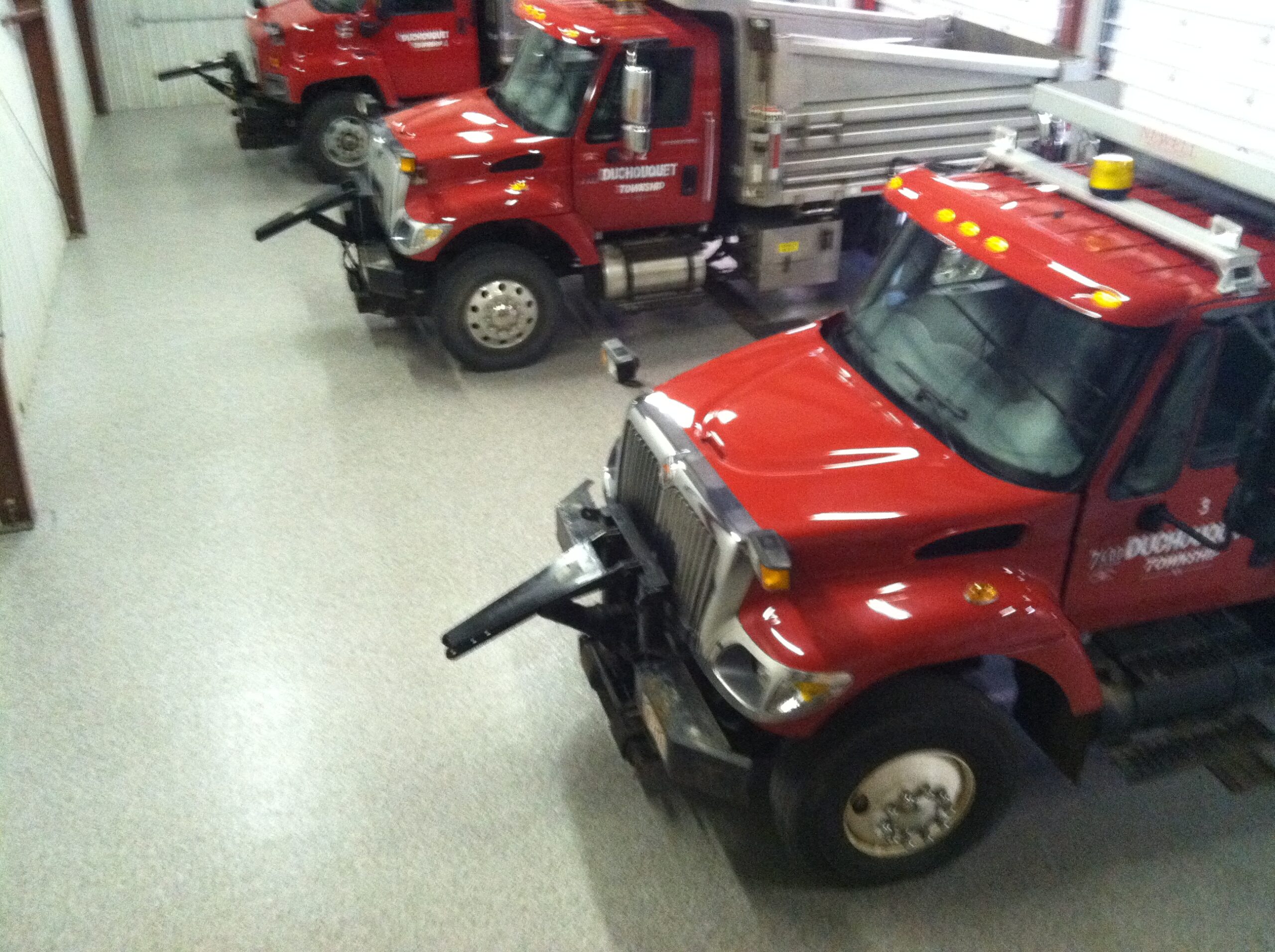
Colorado Concrete Repair provides professional epoxy garage flooring and polyaspartic coating systems engineered for maintenance garages across the Denver metro area. From fleet facilities and fire stations, commercial repair shops, warehouse distribution facilities, and aerospace and defense facilities, our certified installers deliver durable flooring systems built for industrial performance. 20+ years of industrial flooring experience. 1,000+ completed projects. Proud member of Associated General Contractors (AGC).
OR, TELL US ABOUT YOUR PROJECT:
Chemical Resistance
Withstands motor oil, hydraulic fluid, brake cleaner, and road salt — engineered protection against the harshest automotive chemicals.
Impact Protection
Flooring systems engineered to resist dropped tools, heavy equipment, and high foot traffic without surface degradation.
Fast-Cure Installation
Most maintenance garage floors return to service within 24 hours — minimal disruption to your operations.
FREQUENTLY ASKED QUESTIONS
Ask Us About Maintenance Garage Flooring
Maintenance garage flooring projects require specialized coating systems that withstand heavy equipment, chemical spills, and daily wear and tear. Our certified installers have completed hundreds of garage floor coating projects throughout the Denver metro area. Here are the questions facility managers ask most.
Why does my maintenance garage need specialized flooring?
Maintenance garages face unique challenges that residential garages and commercial spaces rarely encounter. Fleet vehicles track in road salt, de-icing chemicals, and abrasive debris. Mechanics work with harsh solvents, transmission fluid, and brake cleaner that attack unprotected concrete. Standard garage floor coating products simply cannot withstand these conditions. Without proper flooring systems, your concrete floor deteriorates rapidly — cracks develop, oil stains become permanent, and the space becomes harder to maintain. Having a well designed system helps establish a culture of quality and cleanliness in the workspace.
What types of garage flooring do you install?
Colorado Concrete Repair installs multiple flooring systems tailored to different maintenance garage environments: solid color epoxy for clean professional looks, full-broadcast vinyl flake systems for slip resistance, metallic epoxy finishes for showpiece spaces, quartz broadcast systems for increased traction and durability, urethane cement for extreme environments, and polyaspartic coatings for fast-cure applications. Polished concrete is also a great option in many garages, especially where heavy chemical contamination is present.
How long does a maintenance garage floor coating last?
With professional installation and high quality materials, epoxy and polyaspartic flooring systems typically last 10 to 20 years or longer. Durability depends on the coating system selected, quality of surface preparation, and the level of chemical and mechanical stress. We use industrial-grade epoxy and polyaspartic flooring systems trusted by major maintenance facilities across Denver. For extreme environments, urethane cement is the right choice.
What are the pros and cons of polyaspartic and epoxy?
In our ideal system, we use fast curing epoxy as the base coat — it has superior adhesion to concrete. A polyaspartic mid-coat adds speed and durability. Then an ultra-hard urethane with aluminum oxide mixed in as the final topcoat provides traction and strong chemical resistance. Polyaspartic as a standalone cures fast and has excellent UV stability. The tradeoff is cost over a basic epoxy-only system.
How quickly can I use my garage after floor coating installation?
With polyaspartic coatings or polished concrete, light foot traffic is possible in just a few hours after application. Full vehicle traffic is typically safe within 24 to 48 hours. Most maintenance garage floor coating projects are completed within one to two days. Our install crew works efficiently to minimize disruption — from the first appointment through project completion, the process is designed around your operational schedule. We can phase the installation to keep portions of your garage operational throughout.
What does maintenance garage flooring cost in Denver?
Garage floor coating costs vary based on the size of the space, condition of the existing concrete floor, and the type of coating system selected. Factors include concrete repair needed, number of coating layers, and whether decorative vinyl flakes or solid colors are chosen. Colorado Concrete Repair provides an onsite consultation for every project before quoting — your fixed-bid price is determined by actual site conditions, not assumptions.
Can you coat a garage floor with oil stains and cracks?
Usually, yes. Our professional installation process includes thorough surface preparation that addresses oil stains, cracks, and concrete damage. We use diamond grinding to remove contaminated concrete surface, fill cracks with flexible repair compounds, and rebuild damaged areas. This prep work creates a strong bond between the coating and concrete. In extreme environments with heavy chemical contamination or industrial solvents, we can recommend alternatives like urethane cement, concrete polishing, or grind & seal where epoxy may not be the best fit.
What is the difference between epoxy and polyaspartic coatings?
Epoxy provides superior chemical resistance and thickness, making it ideal as a base coat for maintenance garages. Polyaspartic coatings cure much faster and offer better UV stability, making them perfect as a topcoat or standalone system when fast return to service matters. Colorado Concrete Repair frequently combines both in a hybrid system — epoxy base for maximum protection and polyaspartic topcoat for fast cure and long-term UV resistance.
Maintenance Garage Flooring Systems Compared
Select a system to see installation details, performance strengths, and tradeoffs.
Urethane CementExtreme environments▼
Best for: Heavy chemical exposure, steam cleaning, thermal cycling, or compromised concrete that cannot support standard epoxy adhesion.
✓ Strengths:
- Handles extreme thermal shock and temperature swings
- Highest chemical resistance — oils, solvents, acids, caustics
- Bonds to damp or compromised concrete
- FDA/USDA compliant formulations available
Tradeoffs:
- of any system
- Limited color and finish options vs. epoxy
- Overkill for light-duty maintenance garages
Epoxy FlooringMost popular▼
Best for: Standard maintenance garages with automotive fluid exposure, heavy foot traffic, and requirements for a clean, professional finish.
✓ Strengths:
- Excellent chemical resistance to oils, solvents, and fuels
- Seamless non-porous surface prevents bacteria growth and staining
- Wide range of colors, vinyl flake, and metallic finishes
- Improves ambient lighting with reflective finish
Tradeoffs:
- Longer cure time — 3–5 days for full vehicle traffic
- Can yellow with UV exposure without a polyaspartic topcoat
- Requires thorough surface prep for long-term adhesion
Polished ConcreteNo coating to fail▼
Best for: Newer facilities with sound concrete, light chemical exposure, and priority on long-term maintenance cost over surface protection.
✓ Strengths:
- No coating to peel, bubble, or fail under vehicle traffic
- Lowest long-term maintenance cost of any system
- Dust-proofing eliminates airborne concrete particulate
Tradeoffs:
- Limited chemical resistance vs. coated systems
- Cannot hide existing cracks or surface damage
- Slippery when wet without anti-slip aggregate added
Grind & SealEntry-level protection▼
Best for: Budget-conscious facilities seeking a professionally installed, clean-looking floor with basic stain and dust protection.
✓ Strengths:
- Most affordable professionally-installed system
- Quick turnaround — typically 1–2 days
- Natural concrete look with stain and dust resistance
Tradeoffs:
- Less durable than epoxy or polyaspartic systems
- Limited chemical resistance for heavy shop use
- Requires reapplication every 2–5 years
Wash & SealLight-duty staging▼
Best for: Light-duty storage and staging areas where aesthetics and budget take priority over chemical or mechanical protection.
✓ Strengths:
- Lowest upfront cost of any protection option
- Same-day application and return to service
- Effective for large low-traffic storage areas
Tradeoffs:
- Minimal resistance to oils, solvents, or chemicals
- Must be reapplied every 1–3 years
- Not suitable for heavy vehicle or maintenance traffic
Professional Installation Process
How CCR Works With Your Team
Cooperative Planning
We review site conditions with your team, discuss schedule and operating constraints, and compare suitable system options. The goal is to align scope, phasing, and expectations before work begins.
Install the Chosen System
After scope approval, we execute the selected system and prep approach for the area and use case. Work is sequenced to match operational needs and project constraints defined during planning.
Handoff and Next Steps
We complete a final walkthrough with your team, confirm installed scope, and share practical care guidance. Any remaining punch-list items are documented and closed through the agreed handoff process.
FREQUENTLY ASKED QUESTIONS
More Questions About Maintenance Garage Flooring
What are the pros and cons of epoxy flooring for maintenance garages?
Epoxy flooring is the most popular garage floor coating choice for maintenance facilities. Epoxy creates a seamless, chemical resistant barrier that protects your concrete surface from automotive fluids, solvents, and heavy traffic. The coating forms a strong bond with properly prepared concrete and comes in solid colors, vinyl flake finishes, and metallic options. The tradeoff is a longer cure time of 3–5 days and potential UV yellowing without a polyaspartic topcoat. For most maintenance garages, epoxy remains the best balance of performance, aesthetics, and value.
Is polished concrete right for your maintenance garage?
Polished concrete offers a durable, low-maintenance option for maintenance garages with sound concrete. The high gloss finish improves ambient lighting and creates a professional appearance. Because polished concrete IS the concrete rather than a coating on top, there is nothing to peel or delaminate. The tradeoff is limited chemical resistance compared to epoxy — polished concrete may stain from prolonged automotive fluid exposure. Best suited for newer maintenance facilities with minimal chemical exposure and concrete in good structural condition.
When is urethane cement the best choice for a maintenance garage?
Urethane cement is the most durable and chemical resistant flooring system available. It handles extreme thermal shock, aggressive chemicals, steam cleaning, and the heaviest traffic loads. Urethane cement bonds even to damp or compromised concrete and is available in FDA/USDA compliant formulations. The tradeoff is cost — urethane cement has the and requires specialized installation. For most Denver maintenance garages, epoxy or polyaspartic flooring delivers sufficient protection at a better value — but for heavy industrial facilities, urethane cement is the right call.
How does Colorado Concrete Repair stand behind its garage flooring installations?
Our engineered flooring systems are built to perform in year 5 and year 10, not just on installation day. Every project begins with ASTM-standard moisture testing and diamond grinding to CSP 2–3. System chemistry — epoxy base coat, polyaspartic topcoat, or cementitious urethane — is selected based on your facility’s actual load, chemical exposure, and moisture conditions. Ask about our installation process and workmanship approach during your preconstruction consultation.
How do granite garage floors compare to regular epoxy?
Granite garage floors use a full broadcast of decorative vinyl flakes over an epoxy base coat, sealed with a clear polyaspartic topcoat. The result is a textured, slip-resistant surface that resembles natural granite. Granite garage floor installations offer practical advantages over solid epoxy — the textured surface provides better slip resistance, the multi-color flake pattern hides dirt and wear marks, and your garage floor looks professional between cleanings. Both systems use the same industrial-grade epoxy and polyaspartic materials.
What areas do you serve for garage floor coating?
Colorado Concrete Repair provides maintenance garage flooring services throughout the Denver metro area, Commerce City, Aurora, Lakewood, Arvada, Westminster, Thornton, Brighton, Castle Rock, Colorado Springs, and all communities along the Front Range. Whether your maintenance garage is in the heart of Denver or the surrounding area, our certified installers deliver the same professional results.
Why Colorado Concrete Repair for Your Maintenance Garage Flooring
Colorado Concrete Repair is a locally owned flooring company serving the Denver metro area, Colorado Springs, Commerce City, and the surrounding area. Our certified installers bring decades of combined experience to every maintenance garage flooring project. We are not a franchise — we are Denver garage floor coating specialists who go the extra mile on every job.
- Locally owned and operated in Denver CO since 2009— not a pop-up garage floor franchise
- Certified installers with extensive training in epoxy and polyaspartic flooring
- High quality materials from trusted manufacturers
- Workmanship-backed engineered flooring systems
- Preconstruction consultation for every project
- Service area covers the entire Denver metro area and surrounding area
- Professional installation completed in one to two days
- Engineered flooring systems for commercial and industrial maintenance facilities
20+ Years
1,000+
AGC Member
OSHA Compliant
Fixed-Bid — No Surprises
Denver Metro & Front Range
OR, TELL US ABOUT YOUR PROJECT: